
There’s something almost strange about the dentist’s chair. The goal of preventive dentistry is simple — stop dental problems before they start by protecting teeth through daily habits and regular dental care.You sit down, tilt back, and someone tells you everything you probably should have been doing differently for the past six months. Floss more. Drink less coffee. Come in twice a year. And most of us nod, vaguely guilty, and promise to do better. And then we don’t. Not really. Not until something hurts. That’s the thing about preventive dentistry — it works best when nothing is wrong yet. It’s the whole point. Keep things from going wrong in the first place. Protect what you already have. Which sounds obvious, and also turns out to be something most people genuinely underestimate.
This guide is about all of it — the daily habits, the professional care, the food choices, the science of why your teeth break down, and the surprisingly small things you can do to make sure they don’t. Not a listicle. Not a set of fear-based warnings. Just what actually works, explained clearly, without pretending it’s harder than it is. Understanding how preventive dentistry works can help protect your teeth long before problems begin.
Preventive dentistry focuses on protecting teeth and gums before problems develop. Through daily habits like brushing, flossing, healthy diet choices, and regular dental checkups, preventive dentistry helps stop cavities, gum disease, and tooth loss before they start.
What Preventive Dentistry Actually Means
People hear preventive dentistry and they think: brush your teeth. Which is part of it. But it’s a bigger framework than that — it’s the entire approach of protecting your teeth before disease or decay gets a foothold. Prevention over treatment. Maintenance over repair.
It covers three overlapping areas. There’s what you do at home — brushing, flossing, your diet, your habits. There’s what happens in the dental office — cleanings, exams, X-rays, fluoride treatments, sealants. And then there’s the larger picture of how lifestyle choices ripple into your oral health in ways most people never connect. Stress. Sleep. Smoking. Acid reflux. All of it lands in your mouth eventually.
The reason it matters so much is compounding. A small cavity caught early is a twenty-minute filling. The same cavity ignored for two years might mean a root canal, a crown, or worse. The mouth is not a forgiving system when it comes to neglect. Bone doesn’t grow back. Enamel doesn’t regenerate. The damage is real, and it accumulates. So the whole point of prevention is to stop that accumulation before it starts.
The Daily Habits That Form the Foundation
Let’s talk about brushing first because it’s the most basic part of preventive dentistry and also the part people most consistently do wrong. Not with bad intentions — just with habits formed in childhood that never got corrected. These daily routines form the foundation of preventive dentistry and help stop cavities and gum disease before they develop.
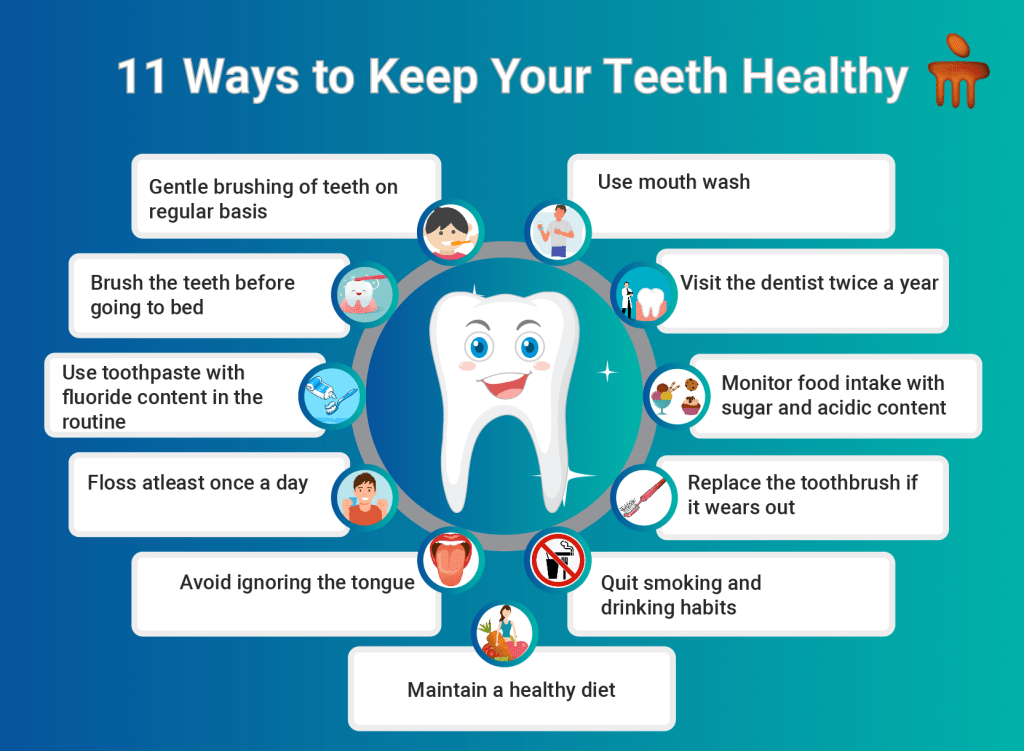
The standard recommendation is two minutes, twice a day, with a soft-bristled toothbrush and fluoride toothpaste. Two minutes feels like forever when you’re actually timing it. Most people brush for about 45 seconds. The soft bristles matter — harder bristles don’t clean better, they just wear down enamel and irritate gums. Electric toothbrushes aren’t magic, but the oscillating motion does tend to be more effective than manual brushing for most people, especially if your technique is inconsistent.
Flossing is the part everyone skips. And honestly, the reasoning is understandable — it’s tedious, it’s easy to forget, and if you haven’t been doing it regularly, it can bleed and sting and feel punishing. But the spaces between teeth are where toothbrush bristles literally cannot reach. Plaque builds there. Bacteria thrive there. Without flossing — or an equivalent like interdental brushes or a water flosser — those surfaces simply aren’t clean. Once a day is enough. It doesn’t have to be at night, though after dinner tends to be most effective.
Mouthwash is optional but useful. Antibacterial rinses can reduce the bacterial load in your mouth and reach areas that brushing and flossing miss. Fluoride rinses add an extra layer of enamel protection. Neither replaces the mechanical cleaning of brushing and flossing — the physical act of removing plaque is what matters most — but they’re a solid addition, especially if you’re prone to gum inflammation or cavities.
| Habit | Frequency | Benefit |
|---|---|---|
| Brushing teeth | Twice daily | Removes plaque and bacteria |
| Flossing | Once daily | Cleans between teeth |
| Dental checkup | Every 6 months | Detects early dental issues |
| Drinking water | Throughout day | Washes away bacteria |
| Fluoride toothpaste | Daily | Strengthens enamel |
Quick Daily Checklist
These small habits are the core of effective preventive dentistry at home.
• Brush for a full two minutes — use a timer if you need to
• Use fluoride toothpaste — generic brands work just as well as premium ones
• Floss at least once a day, every single day
• Consider a fluoride or antibacterial mouthwash
• Replace your toothbrush or brush head every three months
Professional Dental Care and Why You Cannot Skip It
There is a hard limit to what you can do at home. Your toothbrush cleans surface plaque. It doesn’t touch calculus — the hardened, mineralized buildup that forms when plaque isn’t removed consistently and starts bonding to your teeth. Once calculus forms, only a professional cleaning can remove it. And calculus, left alone, is one of the primary drivers of gum disease. Professional cleanings and exams are an essential part of preventive dentistry because they remove buildup that brushing alone cannot.
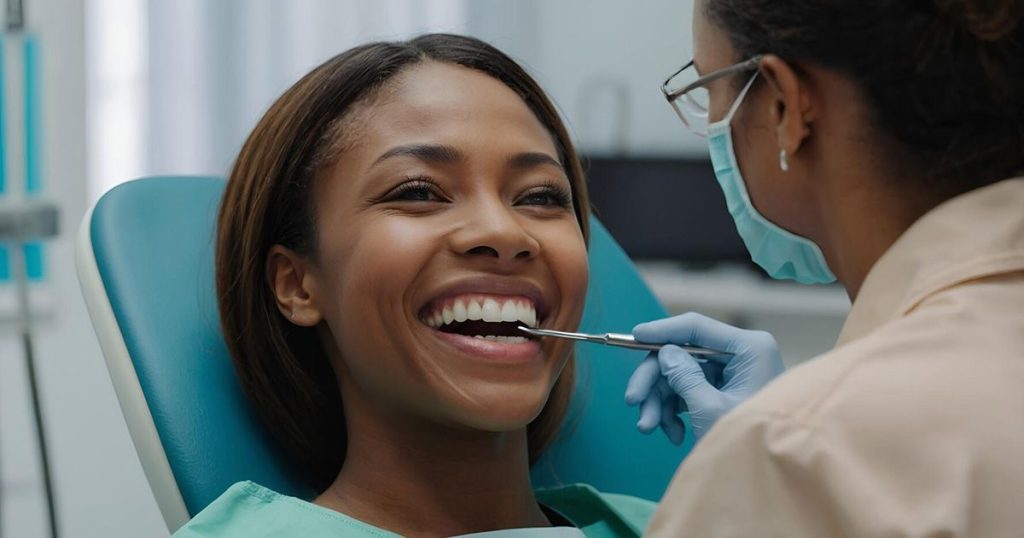
Regular checkups help dentists detect damage early and determine when you need a dental crown in Bristol before the tooth worsens.
This is why professional dental care is a non-negotiable pillar of preventive dentistry. Most dentists recommend twice-yearly checkups for most patients — some people with higher risk of decay or gum disease benefit from three or four visits per year. What happens at those appointments matters more than people realize.
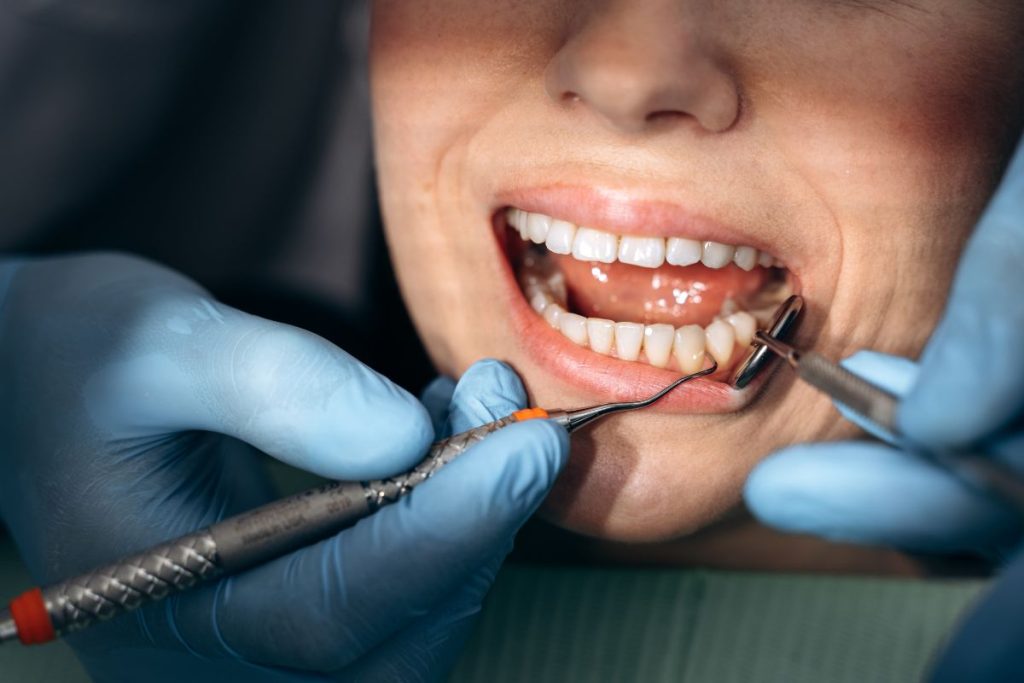
The cleaning removes calculus and surface staining. The exam checks for early-stage cavities, early signs of gum disease, soft tissue abnormalities, changes in your bite, and sometimes oral cancer screening. X-rays — typically once a year — reveal decay between teeth and below the gum line that has no visible symptoms yet. The whole thing is diagnostic and preventive in the same appointment. Finding a small problem in October instead of March is real, tangible value.
Dental sealants are another professional tool worth knowing about. Applied to the chewing surfaces of back teeth, they’re a thin plastic coating that seals the grooves where food and bacteria accumulate. Most commonly used for children, but adults can benefit too, especially on teeth that have never had cavities. Fluoride treatments — a gel or varnish applied directly to teeth during a cleaning — remineralize enamel that’s starting to weaken, sometimes stopping a cavity before it fully forms.
What You Eat Affects Your Teeth More Than You Think
Diet is one of the most underrated parts of preventive dentistry. Not just in the abstract “sugar is bad” way, though that’s true. The specific pattern of how and when you eat matters a great deal. Diet plays a major role in preventive dentistry because the foods you eat influence how bacteria affect your enamel.
Sugar itself isn’t the villain — it’s the bacteria in your mouth that feed on sugar and produce acid as a byproduct. That acid is what dissolves enamel. So every time you eat or drink something sugary, you trigger an acid attack on your teeth that lasts about 20 to 30 minutes. One candy bar after dinner: one 20-minute acid attack. A bag of candy spread over an afternoon: an almost continuous acid attack for hours. The frequency is what kills you, not just the quantity.
Acidic foods and drinks — citrus, soda, vinegar-based foods, sports drinks — cause direct acid erosion on top of the bacterial cycle. Coffee and tea stain enamel but aren’t particularly erosive on their own. The worst category is probably sugary + acidic combined: sodas, energy drinks, lemonade. These hit enamel from two directions at once.
On the protective side, there are actually foods that actively support oral health. Dairy products contain calcium and casein, which help remineralize enamel. Crunchy vegetables — celery, carrots, apples — mechanically clean tooth surfaces and stimulate saliva flow. Saliva is genuinely one of your body’s most powerful defenses against decay; it neutralizes acids and contains minerals that rebuild enamel. Staying well hydrated keeps saliva production healthy.
Eating Habits That Protect Your Teeth
• Eat sweets as part of meals rather than as stand-alone snacks
• Drink water after acidic or sugary foods to dilute the acid
• Wait 30 minutes after acidic foods before brushing — acid temporarily softens enamel
• Choose water over soda, juice, or sports drinks as your daily drink
• Finish meals with cheese or dairy when possible — it raises mouth pH
Understanding the Role of Fluoride
Fluoride is one of the most powerful tools used in preventive dentistry to strengthen enamel and reduce cavity risk.
Fluoride has been one of the most significant public health developments in dental history. The science on it is settled and extensive: fluoride strengthens enamel by incorporating into its crystal structure, making it more resistant to acid attack. It also interferes with the metabolism of decay-causing bacteria. Communities with fluoridated water have consistently lower rates of tooth decay.
At the individual level, fluoride toothpaste is the single most important product in your oral care routine. Most adults need no more than that for adequate protection. Children need careful dosing — too little provides no protection, too much during tooth development can cause fluorosis (white spots on enamel) — but for most adults, fluoride toothpaste plus fluoridated tap water is exactly the right level.
People with dry mouth, those undergoing cancer treatment, or those with a history of frequent cavities may benefit from prescription-strength fluoride toothpaste. It’s a simple upgrade that can make a real difference in cavity prevention for higher-risk individuals.
Lifestyle Factors That Quietly Destroy Your Teeth
This is the section that doesn’t usually make it into dental brochures. But oral health is connected to the rest of your body in ways that feel almost unfair. Many lifestyle choices directly impact preventive dentistry efforts and long-term oral health.
Smoking and tobacco use are the most damaging lifestyle factors in oral health. Tobacco reduces blood flow to gum tissue, suppresses immune response, and dramatically accelerates gum disease. It also causes oral cancer. The staining is the visible part; the invisible damage to gum tissue and bone is far worse. No amount of professional cleaning can fully compensate for active tobacco use.
Dry mouth — whether from medication side effects, mouth breathing, or medical conditions — dramatically increases cavity risk. Saliva is a constant protective force in your mouth, and without it, bacteria accumulate faster, acid isn’t neutralized, and enamel breaks down. If you take medications that cause dry mouth (antihistamines, antidepressants, blood pressure medications, and many others do), talk to your dentist. There are products and strategies that help.
Teeth grinding, or bruxism, is increasingly common, partly linked to stress and anxiety. Most people who grind don’t know they’re doing it — it happens at night. Signs include waking up with jaw pain or headaches, worn-down tooth surfaces, and cracked or chipped teeth. A night guard doesn’t stop the grinding but protects your teeth from the damage. It’s worth asking your dentist if you suspect it.
Stress itself is a factor. Not in some vague way — chronic stress raises cortisol, which affects immune function, which affects your gum tissue’s ability to fight off bacterial infection. Stress also correlates with worse oral hygiene habits, more grinding, and more sugar consumption. The connection is real even if it doesn’t feel like it’s about dentistry.
Preventive Dentistry at Different Life Stages
Preventive dentistry changes slightly at different stages of life as dental risks evolve with age. Your mouth’s needs aren’t static. They shift with age and life circumstances, and so should your approach.
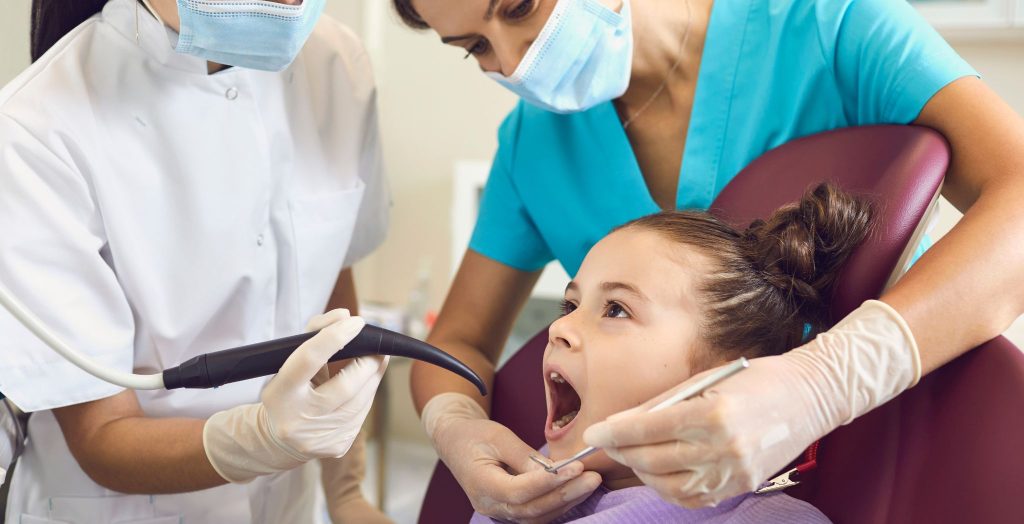
Children need early establishment of good habits, professional fluoride treatments, and sealants on permanent molars as they come in. The first dental visit should happen around age one, or when the first tooth appears — which most parents don’t know, and which feels absurdly early, but early examination matters for identifying developmental issues.
Teenagers face heightened risk from sugary drinks, poor dietary habits, and orthodontic treatment — braces create additional surfaces for plaque to hide. Wisdom teeth typically emerge in the late teens and can create crowding and decay risk in hard-to-clean spaces.
Adults in their 30s and 40s often start seeing gum recession, sensitivity, and the long-term effects of habits formed in youth. This is also when grinding often gets noticed and when fillings placed in childhood start needing replacement. Pregnancy significantly affects gum tissue — hormonal changes increase inflammation and bleeding — and dental care during pregnancy is safe and important.
When teeth cannot be saved despite good care, modern solutions like implant dentistry in Bristol can replace missing teeth.
Older adults face dry mouth from medications, root exposure from receded gums (root surfaces don’t have enamel — they’re softer and more vulnerable to decay), and the cumulative wear of decades. Regular professional care becomes even more important, not less.
For people visiting a dentist for the first time, understanding what happens during a dental appointment is important, especially for first-time dental patients in Bristol.
Conclusion
The goal of preventive dentistry is to protect your natural teeth for life through simple daily habits and regular dental visits. Here’s the thing about preventive dentistry that doesn’t get said enough: it’s not really about dentistry. It’s about keeping a part of your body functioning well for the rest of your life. Your teeth are not a renewable resource. The care you give them — or don’t — compounds over decades.
None of what’s in this guide is hard. Brush properly. Floss daily. See a dentist regularly. Eat with some awareness. Don’t smoke. Manage the factors you can manage. It is genuinely that simple, and also genuinely that important. The people who end up losing teeth in their 60s and 70s didn’t fail at some elaborate protocol — they just let small, manageable things slide long enough to become large, expensive problems.
Start where you are. Fix one thing at a time. The teeth you’re protecting today are the ones that will carry you through.
Frequently Asked Questions
1. How often should I really see a dentist?
Twice a year is the standard recommendation, and it holds for most people. If you have active gum disease, a history of frequent cavities, or conditions like dry mouth, your dentist may recommend three or four visits per year. Once a year is a minimum, not an ideal.
2. Is fluoride safe for adults?
Yes. Fluoride in toothpaste and community water is well within safe limits for adults. The concern about fluorosis (white spots) applies only to children whose permanent teeth are still forming. For adults, fluoride toothpaste and fluoridated water provide meaningful protection with no meaningful risk.
3. What’s the most important thing I can do for my oral health at home?
Floss. Most people brush reasonably well, but the vast majority skip flossing, which leaves the spaces between teeth — about 35% of tooth surfaces — completely uncleaned. If you could only do one extra thing, it would be flossing consistently.
4. Does mouthwash replace brushing or flossing?
No. Mouthwash is supplemental. It can reduce bacterial load and provide fluoride or antibacterial benefits, but it doesn’t remove plaque mechanically the way brushing and flossing do. Think of it as a useful addition, not a replacement.
5. How does sugar cause cavities exactly?
Sugar feeds specific bacteria in your mouth — primarily Streptococcus mutans — which produce acid as a metabolic byproduct. That acid dissolves the mineral structure of enamel, creating a cavity over time. The frequency of sugar exposure matters as much as the quantity: constant snacking keeps acid levels high throughout the day, which is more damaging than a single sugary meal.